“Piñen” by Daniela Catrileo: The Poetics of Generational Pain (BOOK REVIEW)
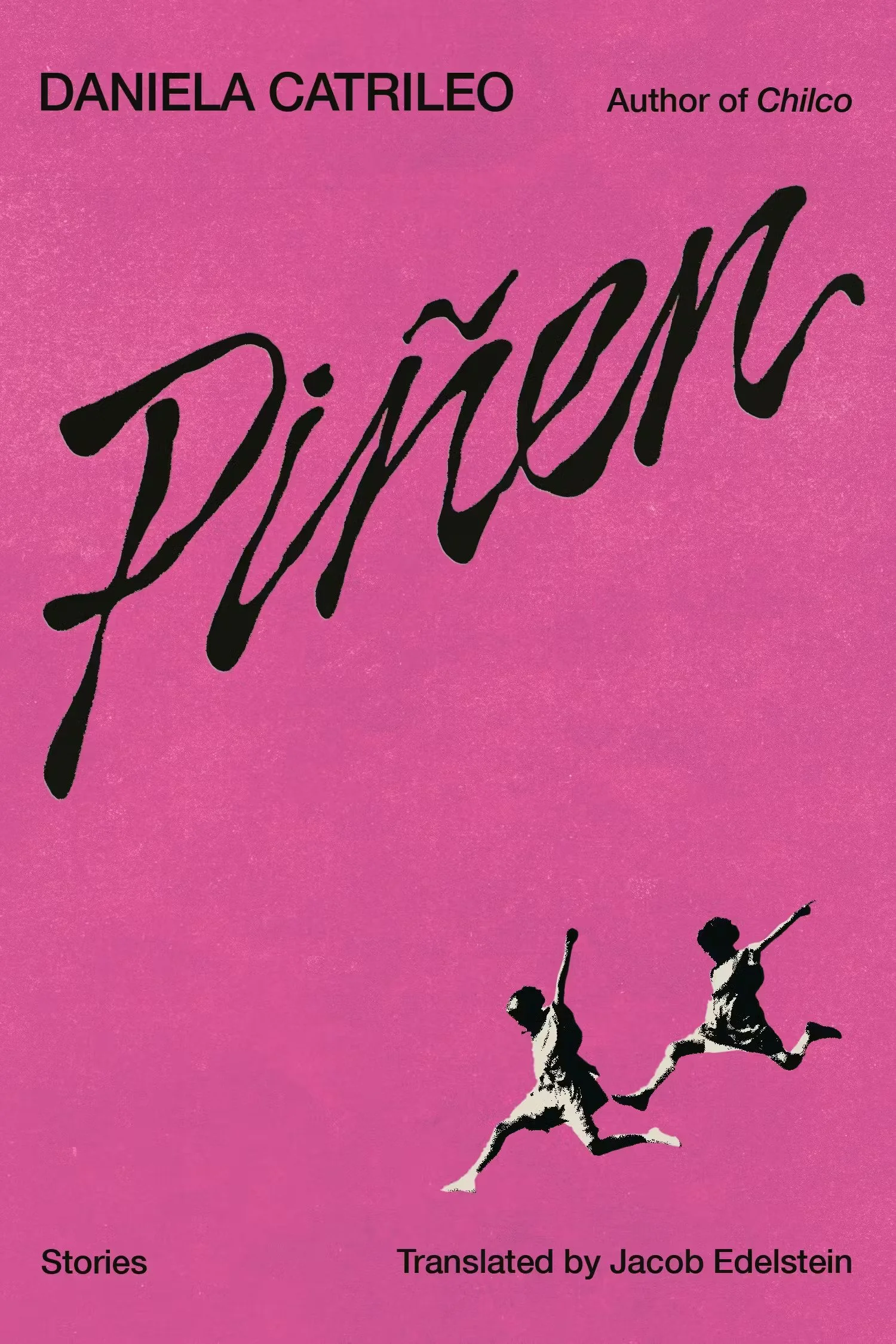
The Poetics of Generational Pain
Hey, Alex! What have you been reading lately?
First of all, a big “thank you” to NetGalley for the advanced copy because reading Piñen this early felt almost criminal.
My copy of it arrived so early it was still under development and had sections missing at the beginning and end – acknowledgements, glossary, and other finishing touches that somehow made the whole experience of reading even more exciting.
To be entirely honest, I picked this book because of its curious title. Piñen refers to the dust and grime that sticks to the body. Based on its meaning, I imagined I was in for a tale of sun-soaked nostalgia, teenage boredom, long days outside, melancholy…the sort of atmosphere that could soundtrack a Guitarricadelafuente song.
I got something far richer.
Tell me more. What is the book about?
Piñen is a collection of four stories centred on women living in Chile, many of whom are from Indigenous backgrounds and navigate violence, memory, class, race, and survival.
Across the book, Catrileo explores what it means to exist in a society that tries to erase Indigenous identity while also expecting women to endure pain in silence. Her characters grow up in environments where abuse is normalised and everyone knows what is happening behind closed doors but does not intervene.
Piñen is about inherited trauma, girlhood, friendship, and the quiet ways people resist systems designed to diminish them. It argues that community can be both protective and complicit at the same time.
What are some strong and weak points of the book?
When doing research for this review, I found out that Catrileo is a poet, which makes total sense. Her prose has that poetic instinct where emotions are filtered through physical images, gestures, and the everyday world rather than blunt explanation. The author, like most of her characters, is Mapuche herself, and that lived connection gives the book a sense of authority and intimacy. These stories don’t feel like observations from afar. They feel told from within.
I really liked the structure of Piñen. Each story is fragmented into short sections, often only one or two pages long. It creates a fast, propulsive rhythm even when there is hardly any dialogue present. That also complements the theme of memory well, where trauma and childhood return to us in flashes rather than neat chronological scenes.
The second and third stories were, without doubt, my favourites.
One focuses on sexual violence within a neighbourhood where everyone is aware that certain men are abusive to their wives and daughters, yet nothing changes. Women arrive bruised, disappear, reappear, carry on. There’s a devastating thread where the narrator recognises that speaking up would unlikely lead to anything. She is young, female, powerless, and aware that suffering becomes a kind of currency in such space.
This is a brutal portrait of complicity not because the women are weak, but because they have been taught to endure instead of to protect one another. To be the girl who isn’t abused can feel like its own dangerous visibility.
The other story, Warriache, follows two girls from Mapuche backgrounds who become close through shared experiences of racism and otherness at school. They come from ancestors with another language, history, and relationship to the land yet are growing up in a world that wants them assimilated. Warriache poses a very interesting question: how do you remain representative of your culture and past when being different invites shame and punishment? And if you are to hide parts of yourself to survive, where does identity go? That tension between pride and self-erasure was one of the most compelling parts of the whole book.
In terms of weaker points, the four stories did not all land equally for me. The final one in particular leaned more into the abstract and spiritual, following a girl chasing someone from her past named Ale, whom some consider more ghost than real. It had atmosphere, but it didn’t affect me as deeply as the sharper realism of the central stories.
Any final thoughts? Should I read it too?
If you enjoy books that are short in length but huge in substance I think you will enjoy Piñen a lot.
Piñen is not loud or flashy. It doesn’t dramatise pain for spectacle. Instead, it shows how violence becomes woven into ordinary life, and how women still create care, humour, and solidarity inside that reality.
This is the kind of book that opens doors rather than closes them. Every story leaves room for discussion about feminism, race, colonial legacy, class, family, and survival. I think it would make an excellent book club read because each section could be unpacked from multiple angles.
Thank you so much!! Are there any similar books that you can recommend?
💄 Bad Habit by Alana S. Portero – a trans girl grows up in the working-class outskirts of Madrid, searching for identity and belonging in a world shaped by class and violence.
💜 The Color Purple by Alice Walker – through letters spanning decades, two Black sisters endure abuse, separation, and loss while fighting toward love, independence, and self-worth.
📲 limaistyping…
rating: ☀️☀️☀️☀️
tropes: 🐑 short stories | 🪙 indigenous history | 🤲 gender study | 🤎 race | unpunished crimes
read if you like: Latin authors, translated fiction, political activism, name dictionaries, Santiago de Chile
look out for: 👹 many awful men | 💊 generational trauma | 👶 a friendship in reverse | 💦 leaking bathroom | 🎂 birthday after birthday
Reading this feels like squinting your eyes through a sandstorm but grime sticks to your body even though the sky clears.
tropes: 🐑 short stories | 🪙 indigenous history | 🤲 gender study | 🤎 race | unpunished crimes
read if you like: Latin authors, translated fiction, political activism, name dictionaries, Santiago de Chile
look out for: 👹 many awful men | 💊 generational trauma | 👶 a friendship in reverse | 💦 leaking bathroom | 🎂 birthday after birthday
Reading this feels like squinting your eyes through a sandstorm but grime sticks to your body even though the sky clears.
